
Does Pink Salt Break a Fast? (Quick Answer)
Short answer:
For most fasting methods, pink salt does not break a fast when consumed in small amounts with water. Himalayan pink salt contains no calories, which means it does not trigger digestion or insulin release — the two biological processes that normally end a fasting state.
Because of this, a small pinch of salt dissolved in water is sometimes used during fasting periods to support hydration and electrolyte balance.
However, the full answer to does pink salt break a fast depends on how the salt is consumed.
For example:
- Pink salt mixed with plain water usually does not break a fast.
- Pink salt combined with honey, sugar, or juice may introduce calories and therefore can break a fast.
Understanding this distinction helps explain why salt-water drinks have become popular in fasting discussions.
According to the Harvard T.H. Chan School of Public Health, sodium is an essential mineral involved in fluid balance and nerve signaling, but it does not contain calories that would normally interrupt fasting metabolism.
Why This Question Became So Popular
Search interest around “does pink salt break a fast” increased as viral hydration drinks began circulating online.
Many fasting communities now discuss simple drinks such as:
- the pink salt trick recipe
- the pink salt weight loss drink
These drinks typically combine warm water with a very small amount of pink Himalayan salt and are often consumed first thing in the morning.
Their appeal is simplicity:
✔ no supplements
✔ no powders
✔ no complicated preparation
But the popularity of these drinks also created confusion about whether salt affects fasting metabolism.
The Key Principle Behind Fasting
To understand whether pink salt breaks a fast, it helps to remember what actually ends a fast.
Fasting is primarily interrupted by calorie intake, especially foods that trigger digestion and insulin release.
Because pink Himalayan salt contains no calories, consuming a small amount usually does not change the metabolic state associated with fasting.
That is why many hydration routines include salt without considering it a fast-breaking ingredient.
Still, there are situations where pink salt can break a fast — and that’s where many people get confused.
Print
Pink Salt Fasting Drink (1-Minute Electrolyte Recipe)
- Total Time: 1 minutes
- Yield: 1 glass 1x
- Diet: Gluten Free
Description
Pink Himalayan salt contains zero calories, which means it generally does not break a fast when consumed in small amounts with plain water. Many fasting routines include a pinch of salt in water to support hydration and electrolyte balance without interrupting the fasting state.
Ingredients
- 1 cup warm or room temperature water
- 1/8 teaspoon pink Himalayan salt
- Optional: small squeeze of fresh lemon juice
- Optional: 1 teaspoon apple cider vinegar
Instructions
- Pour 1 cup of warm or room temperature water into a glass.
- Add 1/8 teaspoon pink Himalayan salt.
- Stir until the salt fully dissolves.
- If desired, add a small squeeze of lemon juice or a teaspoon of apple cider vinegar.
- Drink slowly, preferably during a fasting window for hydration support.
- Avoid adding sweeteners such as honey, sugar, or juice if you want to maintain a fasting state.
Notes
Pink Himalayan salt contains no calories and typically does not break a fast when mixed only with water. However, adding caloric ingredients like honey, sugar, or juice may interrupt fasting metabolism. Use salt in moderation and keep total daily sodium intake within recommended limits.
- Prep Time: 1 minutes
- Cook Time: 0 minutes
- Category: Beverage
- Method: Mixing
- Cuisine: Wellness
Nutrition
- Serving Size: 1 glass
- Calories: 0
- Sugar: 0g
- Sodium: 150mg
- Fat: 0g
- Saturated Fat: 0g
- Unsaturated Fat: 0g
- Trans Fat: 0g
- Carbohydrates: 0g
- Fiber: 0g
- Protein: 0g
- Cholesterol: 0mg
The 5 Fasting Rules for Salt Water
If you’re wondering does pink salt break a fast, these five basic fasting rules explain when salt water is compatible with intermittent fasting and when it may interrupt the fasting state.
1. Calories Break a Fast — Not Minerals
Fasting is interrupted by calorie intake. Pink Himalayan salt contains zero calories, which means salt alone typically does not break a fast.
2. Plain Salt Water Usually Does Not Break a Fast
A small pinch of pink salt mixed with water is generally compatible with fasting because it contains no carbohydrates, protein, or fat.
3. Added Ingredients Can Break a Fast
Adding ingredients such as honey, sugar, juice, or flavored syrups introduces calories and may end the fasting state.
4. Sodium Should Still Be Consumed in Moderation
Even though salt does not break a fast metabolically, total sodium intake should remain within recommended limits for long-term health.
5. Hydration Matters More Than Salt
Most benefits people attribute to salt water during fasting actually come from hydration. Drinking water consistently is more important than the salt itself.
Why People Add Pink Salt During Fasting
Many people searching does pink salt break a fast are actually trying to solve a common fasting problem: hydration and electrolyte balance.
During fasting periods — especially longer ones such as 16–24 hours — the body continues to lose fluids and minerals through normal processes like breathing, sweating, and urination. Because food intake is reduced, electrolyte intake may temporarily drop as well.
This is why some fasting routines include a small pinch of salt dissolved in water.
For most fasting protocols, adding a tiny amount of salt to water does not change the answer to the question “does pink salt break a fast.” Since pink Himalayan salt contains no calories, it usually does not interrupt the metabolic state of fasting when consumed alone.
Instead, the salt simply contributes sodium, an essential electrolyte.
According to the Harvard T.H. Chan School of Public Health, sodium plays an important role in maintaining fluid balance, nerve transmission, and muscle function.
Hydration Is Often the Real Benefit
In many cases, the benefits people attribute to salt water during fasting actually come from hydration rather than the salt itself.
After several hours without fluids — especially overnight — the body wakes up mildly dehydrated. Drinking water shortly after waking helps restore hydration levels and may improve perceived energy.
Some people combine water with a small pinch of salt to create a simple hydration ritual.
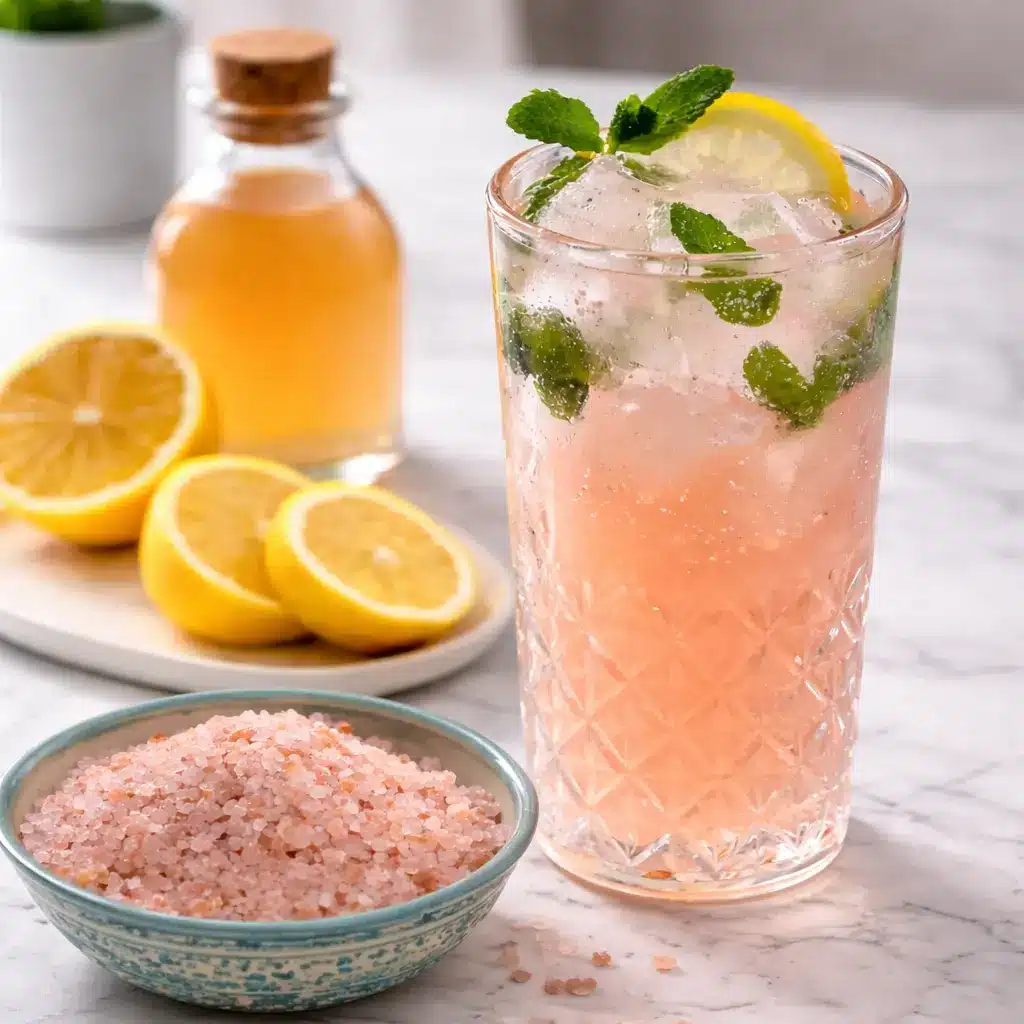
This is the idea behind popular drinks such as the pink salt trick recipe, which uses warm water and a measured amount of salt to start the day with structured hydration.
Similarly, the pink salt weight loss drink is often described as a morning routine that focuses on hydration consistency rather than metabolic shortcuts.
These drinks became popular because they are simple:
✔ warm water
✔ a small pinch of salt
✔ consistent daily habit
However, even though these drinks are widely discussed online, they do not change the fundamental answer to does pink salt break a fast.
Salt alone still contains no calories.
Why Fasting Communities Talk About Electrolytes
Another reason salt appears frequently in fasting discussions is electrolyte balance.
Electrolytes are minerals that help regulate fluid movement in the body and support nerve and muscle function. Sodium is one of the primary electrolytes involved in these processes.
During extended fasting, maintaining hydration and electrolyte balance can become more important, which is why some fasting guides mention small amounts of salt water as a supportive option.
Health resources such as the Cleveland Clinic intermittent fasting overview emphasize that hydration is one of the most important aspects of safe fasting routines.
Again, the key point remains the same:
✔ A small amount of pink Himalayan salt in water usually does not break a fast.
✔ The answer to does pink salt break a fast remains tied to calorie intake, not mineral intake.
Key Takeaway
People add pink salt to water during fasting primarily for hydration and electrolyte support, not for fat-burning effects.
When consumed in small amounts with plain water, pink Himalayan salt generally does not break a fast because it contains no calories.
However, confusion often arises when salt drinks include other ingredients — which is where fasting rules can change.
When Pink Salt Can Break a Fast
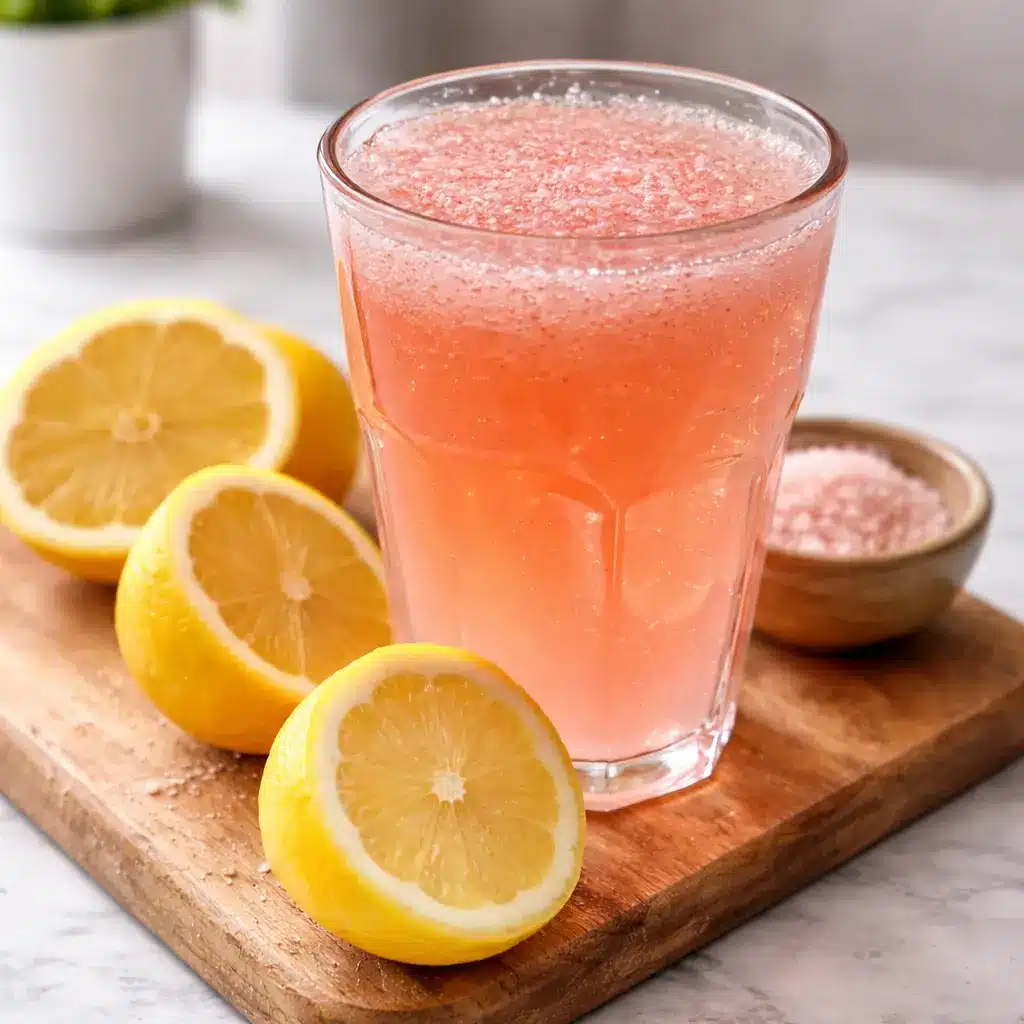
Although pink Himalayan salt alone usually does not break a fast, the answer to does pink salt break a fast changes when other ingredients are added.
Many viral fasting drinks combine salt with additional components that may introduce calories or stimulate digestion. When that happens, the drink may interrupt fasting metabolism.
Understanding these differences helps avoid common mistakes.
1. Pink Salt With Honey or Sugar
Adding sweeteners is one of the most common ways a salt drink can break a fast.
Ingredients such as:
- honey
- maple syrup
- sugar
- sweetened syrups
contain calories and carbohydrates that trigger digestion and insulin release.
Even a small amount of honey can technically end a fasting state, which means a drink containing honey and salt would no longer qualify as fasting-friendly.
In this situation, the answer to does pink salt break a fast becomes yes — because the added sweetener introduces calories.
2. Pink Salt With Lemon Juice
Lemon juice is often included in hydration drinks such as the pink salt trick recipe.
Technically, lemon juice contains small amounts of calories. However, when used in very small quantities (such as a squeeze of lemon), many intermittent fasting practitioners still consider it acceptable.
From a strict metabolic perspective, though, even minimal calories can technically interrupt fasting.
This is why opinions vary when people ask does pink salt break a fast when lemon is added.
In practical terms:
- strict fasting → lemon may break a fast
- flexible fasting → lemon is often considered acceptable
3. Pink Salt With Apple Cider Vinegar
Another popular variation includes apple cider vinegar.
Small amounts of vinegar contain very few calories and are often used in fasting drinks to add flavor or acidity.
Some studies suggest vinegar may influence post-meal glucose response, though its effects remain modest.
Research indexed on PubMed has explored vinegar’s potential metabolic effects.
Because vinegar contains minimal calories, many fasting routines allow small diluted amounts.
However, technically speaking, it still introduces trace calories — which means strict fasting definitions may consider it a fast-breaking ingredient.
4. Pink Salt in Electrolyte Drinks
Commercial electrolyte drinks frequently contain:
- sodium
- potassium
- magnesium
- sugar or flavorings
The sugar content is the key difference.
If the drink includes carbohydrates or calories, then the answer to does pink salt break a fast becomes less relevant — because the sugar is what actually breaks the fast.
Plain salt water remains very different from commercial electrolyte beverages.
Simple Rule to Remember
When people ask does pink salt break a fast, the simplest guideline is this:
✔ Pink salt + plain water → usually does not break a fast
✔ Pink salt + calories → may break a fast
The salt itself is not the problem.
The added ingredients are.
Why This Confusion Happens
The popularity of viral drinks such as the pink salt weight loss drink has blurred the difference between hydration rituals and strict fasting rules.
Many people combine multiple ingredients without realizing that the additional calories — not the salt — determine whether fasting continues.
This is why the question does pink salt break a fast continues to appear frequently in fasting communities.
Pink Salt vs Electrolytes During Fasting
Another reason people ask does pink salt break a fast is because of confusion around electrolytes during fasting.
Many fasting guides mention electrolytes as helpful for maintaining hydration and preventing fatigue during longer fasting periods. Because pink Himalayan salt contains sodium, some people assume it works the same way as commercial electrolyte drinks.
But the two are very different.
What Electrolytes Actually Are
Electrolytes are minerals that help regulate fluid balance, nerve signaling, and muscle function in the body.
The most important electrolytes include:
- sodium
- potassium
- magnesium
- calcium
During extended fasting periods, electrolyte intake may decrease because these minerals normally come from food.
This is why some fasting routines recommend small amounts of salt water.
According to the National Academies of Sciences, sodium plays an essential role in maintaining fluid balance and cellular function.
Why Some Fasting Guides Mention Salt Water
When people search does pink salt break a fast, they often encounter advice suggesting a small pinch of salt in water during fasting.
The idea behind this practice is simple:
✔ maintain hydration
✔ support electrolyte balance
✔ reduce dizziness or fatigue
In this context, pink Himalayan salt is used only as a source of sodium, not as a fat-burning ingredient.
Because pink salt contains no calories, drinking diluted salt water generally does not break a fast when consumed in moderation.
However, it is important to distinguish plain salt water from flavored electrolyte drinks.
Why Many Electrolyte Drinks Break a Fast
Most commercial electrolyte beverages contain additional ingredients such as:
- sugar
- glucose
- artificial sweeteners
- flavor concentrates
These ingredients introduce calories or stimulate metabolic responses.
Once calories are added, the answer to does pink salt break a fast becomes less relevant — because the drink itself is no longer calorie-free.
This is why many fasting practitioners prefer simple drinks like water or lightly salted water instead of commercial sports beverages.
The Simpler Hydration Approach
Some people prefer extremely simple hydration routines during fasting.
Examples include:
- plain water
- black coffee
- unsweetened tea
- water with a small pinch of salt
This approach focuses on maintaining hydration without introducing calories that could interrupt fasting metabolism.
Salt-water drinks like the pink salt trick recipe became popular partly because they follow this principle.
Similarly, the pink salt weight loss drink is often described as a hydration ritual rather than a metabolic intervention.
Both examples highlight why the question does pink salt break a fast continues to appear online — people are trying to balance hydration with fasting rules.
Key Takeaway
When used in very small amounts with plain water, pink Himalayan salt typically does not break a fast because it contains no calories.
However, electrolyte drinks that contain sugar or other caloric ingredients can break a fast, even if they also contain salt.
Understanding this distinction helps keep fasting routines simple and consistent.
Benefits of Salt Water During Fasting (What People Actually Experience)
Many people researching does pink salt break a fast are also curious about why some fasting routines include salt water in the first place.
While pink Himalayan salt does not directly cause fat loss, drinking water with a small pinch of salt may support certain aspects of fasting comfort and hydration.
Most of the reported benefits are related to hydration and routine consistency, not metabolic shortcuts.
1. Improved Hydration During Fasting
One of the most common reasons people add salt to water during fasting is hydration.
After several hours without fluid intake — especially overnight — the body may wake up mildly dehydrated. Drinking water helps restore fluid balance, and a small amount of sodium can support the body’s ability to retain fluids.
This is one reason people exploring does pink salt break a fast sometimes discover salt-water hydration routines.
According to the Cleveland Clinic, proper hydration plays an important role in maintaining normal bodily functions during fasting and everyday life.
Because pink Himalayan salt contains no calories, adding a very small pinch to water generally does not break a fast when consumed alone.
2. Reduced Lightheadedness During Longer Fasts
Some people report mild dizziness or fatigue when fasting for extended periods.
This can occur when hydration levels drop or when electrolyte intake is temporarily reduced.
A small amount of salt dissolved in water may help some individuals maintain hydration comfort during fasting periods.
However, it’s important to remember that the answer to does pink salt break a fast still depends on whether the drink contains calories.
Plain salt water typically does not.
3. Structured Morning Habits
Another reason salt-water drinks became popular is habit formation.
Starting the morning with a simple hydration ritual may encourage more consistent daily routines.
For example, some people use drinks such as the pink salt trick recipe as a structured morning habit that replaces sugary beverages.
Similarly, the pink salt weight loss drink is often promoted as a hydration-focused morning routine rather than a direct fat-loss solution.
These drinks do not change the fundamental answer to does pink salt break a fast — the salt itself remains calorie-free.
4. Increased Awareness of Hydration
Many people simply drink more water when they follow a defined routine.
A salt-water ritual may encourage people to:
✔ drink water earlier in the day
✔ stay mindful of hydration
✔ replace sweetened beverages
In this sense, the benefits associated with salt water during fasting are often linked to behavioral habits rather than mineral chemistry.
Key Perspective
When used in small amounts with plain water, pink Himalayan salt typically does not break a fast.
The primary benefits people report come from:
✔ hydration support
✔ routine consistency
✔ replacing high-calorie beverages
The salt itself does not trigger fat burning or metabolic acceleration.
Understanding this helps clarify the common question: does pink salt break a fast — and why the answer is usually no when consumed alone.
How Much Pink Salt Can You Use Without Breaking a Fast?
One of the most common follow-up questions after does pink salt break a fast is how much salt can be used during fasting without disrupting the fasting state.
The key factor is calorie intake, not the salt itself.
Pink Himalayan salt contains zero calories, which means it generally does not interrupt fasting metabolism when used in small amounts with plain water. However, moderation is important because salt still contributes sodium to your daily intake.
For most hydration routines, the commonly used amount is:
⅛ teaspoon of pink Himalayan salt per cup (240 ml) of water.
At this level, the drink remains diluted and calorie-free, which means the answer to does pink salt break a fast is still no for most fasting protocols.
Why Small Amounts Matter
Even though pink salt does not contain calories, excessive sodium intake can affect hydration balance and blood pressure.
Using a small measured amount helps keep the drink safe and sustainable.
Health organizations such as the American Heart Association recommend monitoring total daily sodium intake for long-term cardiovascular health.
Because many foods already contain sodium, adding too much salt to fasting drinks can increase overall intake unnecessarily.
A Simple Salt-Water Ratio
If you’re using salt water during fasting, a simple guideline is:
✔ 1 cup warm water
✔ ⅛ teaspoon pink Himalayan salt
Stir until dissolved and drink slowly.
This is the same ratio commonly used in hydration drinks such as the pink salt trick recipe, which focuses on simplicity and consistency.
At this dilution level, the answer to does pink salt break a fast remains unchanged — the drink contains no calories.
Mistakes to Avoid
When experimenting with salt water during fasting, a few common mistakes can create confusion.
Using Too Much Salt
Adding large amounts of salt does not increase hydration benefits and may make the drink unpleasant or increase sodium intake unnecessarily.
Adding Caloric Ingredients
Adding ingredients like honey, juice, or sugar changes the situation completely.
Once calories are introduced, the answer to does pink salt break a fast becomes yes, because the drink is no longer calorie-free.
Drinking Multiple Servings
One small serving is usually enough. Repeated servings may increase sodium intake without providing additional benefits.
Practical Takeaway
When used correctly, a small pinch of pink Himalayan salt in water generally does not break a fast.
The safest approach is:
✔ keep the salt amount small
✔ avoid sweeteners or caloric ingredients
✔ maintain normal hydration throughout the day
Salt water should be viewed as a hydration habit, not a metabolic intervention.
Who Should Avoid Salt Water During Fasting?
Even though a small amount of pink Himalayan salt usually does not break a fast, salt water is not appropriate for everyone.
Understanding who should avoid or limit salt intake is important when exploring the question does pink salt break a fast and whether salt water fits safely into a fasting routine.
While pink salt contains no calories, it still contributes sodium, which can affect blood pressure and fluid balance in certain individuals.
1. People With High Blood Pressure
Individuals with hypertension should be cautious with additional sodium intake.
Although the amount used in a typical fasting drink is small, sodium can accumulate quickly when combined with processed foods and restaurant meals.
The American Heart Association explains that excessive sodium intake is associated with elevated blood pressure and cardiovascular risk.
If you have been advised to follow a low-sodium diet, it is best to consult a healthcare professional before regularly adding salt water during fasting.
2. Individuals With Kidney Conditions
The kidneys play a central role in regulating sodium and fluid balance.
People with kidney disease or impaired kidney function may need to carefully monitor sodium intake.
In these cases, the question does pink salt break a fast becomes less important than whether additional sodium intake is medically appropriate.
A healthcare provider can help determine safe dietary guidelines.
3. People With Fluid Retention Issues
Some individuals experience fluid retention due to medical conditions or medications.
Increasing sodium intake can sometimes worsen swelling or water retention.
If you frequently experience:
- swelling in the legs or feet
- persistent bloating
- rapid fluid weight changes
it may be better to focus on plain water hydration rather than salt water.
4. Anyone Following a Medically Prescribed Diet
Some medical conditions require strict dietary monitoring.
This includes individuals managing:
- cardiovascular disease
- certain endocrine conditions
- kidney disorders
- specialized therapeutic diets
In these situations, it’s best to speak with a qualified healthcare professional before making changes to fasting or electrolyte habits.
A Balanced Perspective
For most healthy adults, a small pinch of pink Himalayan salt dissolved in water generally does not break a fast and may simply function as a hydration habit.
However, personal health context always matters.
The safest approach is:
✔ keep salt amounts small
✔ monitor total sodium intake
✔ prioritize overall hydration
The answer to does pink salt break a fast may be simple metabolically, but individual health considerations should always guide dietary choices.
Quick Safety Reminder
This content is for informational purposes only and does not replace medical advice. Consult your physician or a qualified healthcare professional before making changes to your diet, supplement routine, or weight-management plan.
FAQ — Pink Salt and Fasting
What are the four ingredients in the pink salt trick?
The most common version of the pink salt trick recipe contains four simple ingredients:
Warm water
Pink Himalayan salt
Lemon juice
Apple cider vinegar
Some variations remove the vinegar and keep it as a three-ingredient drink. The purpose of the drink is usually hydration and routine consistency rather than direct fat-burning effects. When prepared with only water and salt, the drink contains no calories, which is why people often ask whether pink salt break a fast during intermittent fasting.
Will Himalayan salt break autophagy?
Himalayan salt alone does not contain calories, so it is unlikely to interrupt fasting metabolism or autophagy when consumed in very small amounts with water.
Autophagy is primarily influenced by calorie intake and insulin signaling, not mineral consumption. Because salt does not trigger digestion or insulin release, most fasting protocols consider plain salt water compatible with fasting.
However, adding ingredients like honey, juice, or sweeteners can introduce calories that may interfere with fasting processes.
What is the salt trick for intermittent fasting?
The salt trick for intermittent fasting refers to drinking water with a small pinch of Himalayan pink salt during a fasting window.
The idea behind the method is to:
support hydration
maintain electrolyte balance
reduce lightheadedness during fasting
Since salt contains no calories, the practice generally does not change the answer to does pink salt break a fast when consumed in moderation with plain water.
The “trick” itself is simply a hydration routine, not a metabolic shortcut.
How much Himalayan salt per day?
Most health organizations recommend limiting sodium intake to moderate levels.
The American Heart Association suggests aiming for no more than 2,300 mg of sodium per day, with an ideal target of 1,500 mg for many adults.
Because pink Himalayan salt is primarily sodium chloride, the total daily intake should include all sources — not just fasting drinks.
When used for hydration routines, a typical amount is about:
⅛ teaspoon pink salt per cup of water
Moderation is important because excessive sodium intake may affect blood pressure and fluid balance.
Can I drink Himalayan salt water while fasting?
Yes, many people drink water with a small pinch of Himalayan salt during fasting.
Because pink salt contains no calories, plain salt water generally does not break a fast when consumed in small amounts.
However, the answer to does pink salt break a fast may change if the drink includes caloric ingredients such as:
honey
sugar
juice
sweetened syrups
In those cases, the added calories — not the salt — would break the fast.
What does Mayo Clinic say about the pink salt diet?
The Mayo Clinic does not promote a specific “pink salt diet” for weight loss.
Health experts generally emphasize that sustainable weight management depends on:
balanced nutrition
regular physical activity
long-term calorie balance
Salt itself does not increase metabolism or cause fat loss. At most, drinks like the pink salt hydration method may support routine hydration, which can indirectly influence habits.